
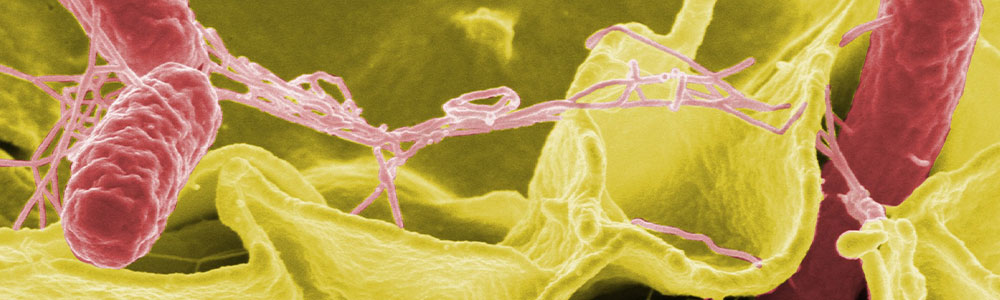
Typhoid fever is a bacterial infection caused by Salmonella typhi. It primarily affects the gastrointestinal system but can spread throughout the body, leading to high fever, weakness, abdominal pain, and severe complications if untreated. The disease is commonly transmitted through contaminated food or water and remains a significant public health concern in areas with poor sanitation and limited access to clean drinking water.
Causes & How Typhoid Fever Develops
Typhoid fever is caused by ingesting food or water contaminated with Salmonella typhi. The bacteria enter the bloodstream and multiply, leading to inflammation and systemic infection.
Common risk factors include:
- Consuming contaminated food or beverages.
- Drinking untreated or unsafe water.
- Poor hygiene and inadequate handwashing.
- Close contact with an infected person or carrier.
- Traveling to typhoid-endemic regions.
Common Symptoms of Typhoid Fever
Symptoms of typhoid fever typically develop 1 to 3 weeks after exposure and may include:
- Prolonged high fever (often reaching 103–104°F or 39–40°C).
- Weakness and extreme fatigue.
- Abdominal pain, bloating, and constipation or diarrhea.
- Loss of appetite and unintentional weight loss.
- Headache and body aches.
- Rose-colored spots on the chest and abdomen (in some cases).
- Enlarged spleen or liver in severe cases.
Without treatment, symptoms can worsen, leading to life-threatening complications.
How Typhoid Fever is Diagnosed
Typhoid fever is diagnosed through clinical symptoms and laboratory tests. Common diagnostic methods include:
- Blood, stool, or urine cultures to detect Salmonella typhi.
- Widal test, a serological test for typhoid antibodies.
- Bone marrow tests, which may provide the most accurate results in prolonged cases.
Typhoid Fever Treatments & Management
Treatment for typhoid fever focuses on eliminating the infection and managing symptoms. Common approaches include:
- Adequate hydration to prevent complications.
- Nutritional support for faster recovery.
- Medical treatments aimed at addressing bacterial infections when necessary.
Supportive care may also include:
- Rest and hydration to alleviate fatigue.
- Maintaining proper sanitation to prevent disease spread.
- Safe food and water consumption to prevent reinfection.
Possible Complications of Typhoid Fever
If untreated, typhoid fever can lead to severe complications, including:
- Intestinal perforation, leading to peritonitis.
- Severe dehydration and electrolyte imbalances.
- Septicemia (bloodstream infection).
- Neurological issues, such as delirium or confusion.
- Multiple organ failure in severe cases.
How to Prevent Typhoid Fever
Preventing typhoid fever involves improving sanitation, food safety, and vaccination. Key preventive measures include:
- Drinking only treated or boiled water.
- Practicing strict hand hygiene, especially before eating.
- Avoiding raw or undercooked food in typhoid-prone areas.
- Getting vaccinated against typhoid fever, especially for travelers to high-risk regions.
- Properly washing fruits and vegetables before consumption.
Trivia About Typhoid Fever
- Mary Mallon (“Typhoid Mary”) was an asymptomatic carrier of typhoid fever, unknowingly spreading it to dozens of people in the early 1900s.
- The typhoid vaccine is available in both oral and injectable forms.
- Typhoid fever is still prevalent in parts of South Asia, Africa, and Latin America.
- Without treatment, typhoid fever has a mortality rate of up to 30%, but this drops significantly with proper care.
- Some recovered patients become chronic carriers, continuing to shed Salmonella typhi bacteria without symptoms.
Disclaimer
This article is for informational purposes only and does not provide medical advice, diagnosis, or treatment recommendations. It is intended to share general knowledge about typhoid fever in an easy-to-understand way. If you have health concerns, consult a qualified medical professional for guidance.