
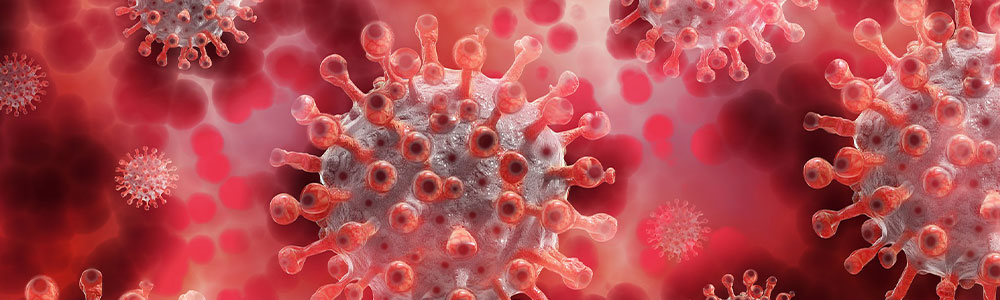
Introduction: What is COVID-19?
COVID-19 is a respiratory illness caused by the SARS-CoV-2 virus. First identified in late 2019, it quickly spread worldwide, leading to a global pandemic. While most cases are mild, COVID-19 can cause severe illness, especially in older adults and those with underlying health conditions. The virus spreads easily, making prevention and public health measures essential in controlling outbreaks.
How Do You Get It? (Transmission & Risk Factors)
COVID-19 spreads primarily through respiratory droplets when an infected person coughs, sneezes, talks, or breathes near others. It can also spread through contact with contaminated surfaces, though this is less common.
Who is most at risk?
- Older adults (especially over 65)
- People with chronic conditions (heart disease, diabetes, lung disease)
- Those with weakened immune systems
- Pregnant individuals
- People in crowded or poorly ventilated spaces
What Happens in Your Body? (Symptoms & Stages)
After exposure, symptoms can appear between 2 to 14 days. The severity ranges from mild to critical cases requiring hospitalization.
Common symptoms:
- Fever or chills
- Cough (dry or with mucus)
- Shortness of breath
- Fatigue
- Muscle or body aches
- Loss of taste or smell
- Sore throat
- Runny or stuffy nose
- Headache
Severe cases may include:
- Difficulty breathing
- Chest pain
- Confusion or inability to stay awake
- Bluish lips or face
How to Know If You Have It? (Diagnosis & Tests)
COVID-19 can be diagnosed through PCR or rapid antigen tests.
- PCR tests detect viral RNA and are highly accurate.
- Rapid antigen tests provide quick results but may be less reliable in early infection.
Testing is recommended if you have symptoms, have been exposed, or need confirmation before travel or medical procedures.
How Bad Can It Get? (Complications & Long-Term Effects)
While most recover within 1-2 weeks, some develop complications such as:
- Pneumonia
- Blood clots and heart inflammation
- Organ failure in severe cases
- Post-COVID conditions (long COVID), with fatigue, brain fog, or breathing difficulties lasting for months
What’s the Best Way to Treat It? (Treatment & Recovery)
Most mild cases can be managed at home with rest, fluids, and over-the-counter fever reducers.
For mild to moderate cases:
- Rest and stay hydrated
- Use fever-reducing medications (acetaminophen, ibuprofen)
- Isolate to prevent spreading
For severe cases:
- Hospitalization may be needed for oxygen therapy or ventilatory support
- Antiviral treatments (like Paxlovid or Remdesivir) can help in high-risk individuals
- Anti-inflammatory drugs (like dexamethasone) may be used for severe lung inflammation
Can You Prevent It? (Vaccines & Prevention Tips)
Vaccination remains the most effective way to reduce severe illness and transmission. COVID-19 vaccines are updated as new variants emerge.
Other prevention measures:
- Wearing masks in crowded or high-risk settings
- Washing hands frequently
- Improving indoor ventilation
- Avoiding close contact with sick individuals
Myths vs. Facts
❌ “COVID-19 is just like the flu.”
✅ While both are respiratory viruses, COVID-19 has a higher rate of severe illness and long-term effects.
❌ “Once you’ve had COVID-19, you can’t get it again.”
✅ Reinfection is possible, especially with new variants, though vaccines help reduce severity.
❌ “Vaccines don’t work because people still get infected.”
✅ Vaccines reduce severity and hospitalization risks, even if they don’t completely prevent infection.
Final Thoughts: What You Need to Remember
COVID-19 remains a significant public health concern, but vaccines, testing, and preventive measures have made it more manageable. Staying informed and taking simple precautions can help reduce your risk.
Disclaimer
This article is for informational purposes only and is not a substitute for professional medical advice. If you have concerns about your health, consult a qualified healthcare provider.