
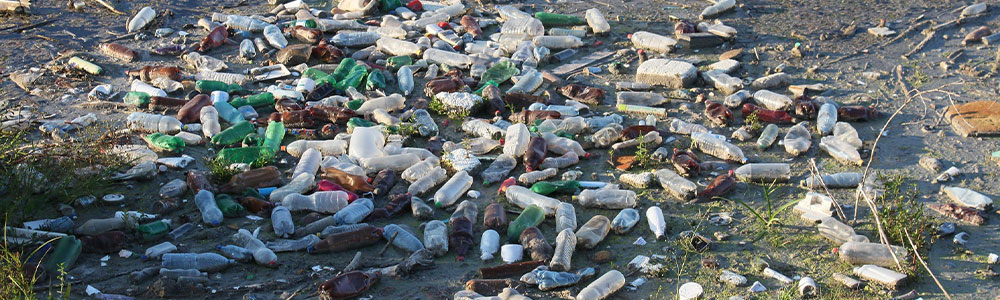
Cholera is a severe diarrheal disease caused by Vibrio cholerae, a bacterium that infects the small intestine. It spreads through contaminated water or food, leading to rapid dehydration and electrolyte imbalances. Cholera outbreaks are common in areas with poor sanitation and limited access to clean water. Without prompt treatment, severe cases can be fatal.
Causes & How Cholera Develops
Cholera is caused by Vibrio cholerae, which produces a toxin that triggers severe watery diarrhea. The bacteria spread through ingestion of contaminated water, raw seafood, or unclean produce. Cholera is most prevalent in regions with inadequate sanitation and unsafe drinking water.
Common risk factors include:
- Drinking untreated or contaminated water.
- Eating raw or undercooked seafood, especially shellfish.
- Poor hygiene and lack of proper handwashing.
- Living in areas with inadequate sanitation infrastructure.
- Traveling to or living in cholera-endemic regions.
Common Symptoms of Cholera
Symptoms of cholera can appear within hours to five days after exposure and range from mild to severe. The most characteristic symptoms include:
- Profuse watery diarrhea (“rice-water stools”), leading to dehydration.
- Severe thirst and dry mouth due to fluid loss.
- Rapid heartbeat and low blood pressure.
- Sunken eyes and skin elasticity loss (signs of dehydration).
- Muscle cramps and weakness from electrolyte imbalances.
- Nausea and vomiting, worsening dehydration.
Severe dehydration can lead to shock, organ failure, and death if untreated.
How Cholera is Diagnosed
Cholera is diagnosed based on clinical symptoms and laboratory tests. Diagnostic methods include:
- Stool sample analysis, to detect Vibrio cholerae bacteria.
- Rapid dipstick tests, useful in outbreak settings.
- Blood tests, to check for dehydration and electrolyte imbalances.
Cholera Treatments & Management
Cholera treatment focuses on rapid rehydration and electrolyte replacement to prevent complications. Common approaches include:
- Oral rehydration therapy (ORT) using rehydration salts to restore fluids.
- Intravenous fluids (IV) in severe cases to prevent shock.
- Medical treatments aimed at reducing bacterial load when necessary.
Supportive care may also include:
- Zinc supplementation, which helps reduce diarrhea duration.
- Safe food and water intake, to prevent reinfection.
- Proper sanitation and hygiene, to control disease spread.
Possible Complications of Cholera
If left untreated, cholera can lead to life-threatening complications, including:
- Severe dehydration, causing organ failure.
- Electrolyte imbalances, leading to shock and muscle cramps.
- Kidney failure, due to prolonged fluid loss.
- Death, in extreme cases, if untreated.
How to Prevent Cholera
Preventing cholera involves improving sanitation, access to clean water, and hygiene practices. Key preventive measures include:
- Drinking only safe, treated, or boiled water.
- Thorough handwashing with soap, especially before eating.
- Avoiding raw or undercooked seafood in cholera-prone areas.
- Proper waste disposal and sanitation measures.
- Vaccination against cholera, particularly for high-risk populations.
Trivia About Cholera
- Cholera pandemics have occurred throughout history, with the first pandemic recorded in the early 19th century.
- The term “rice-water stool” describes the pale, watery diarrhea characteristic of severe cholera cases.
- Cholera was once a major health crisis in cities, leading to advancements in public sanitation.
- The bacterium Vibrio cholerae can survive in salty or brackish waters, making seafood a risk factor.
- The oral rehydration therapy (ORT) revolutionized cholera treatment, drastically reducing mortality rates.
Disclaimer
This article is for informational purposes only and does not provide medical advice, diagnosis, or treatment recommendations. It is intended to share general knowledge about cholera in an easy-to-understand way. If you have health concerns, consult a qualified medical professional for guidance.