
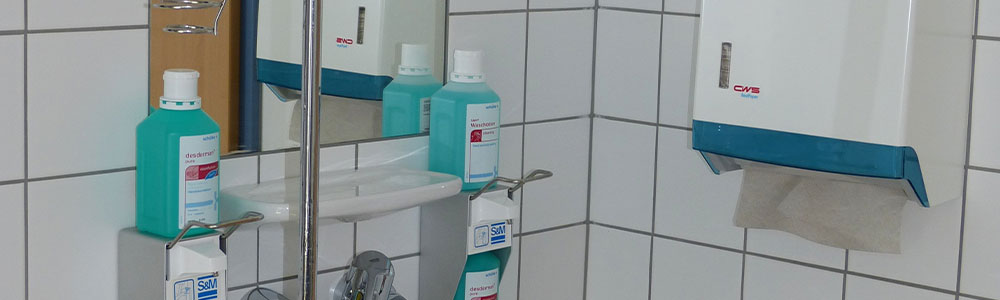
Methicillin-Resistant Staphylococcus Aureus (MRSA) is a bacterial infection caused by a strain of Staphylococcus aureus that is resistant to many commonly used medical treatments. MRSA infections can range from mild skin infections to severe bloodstream infections, pneumonia, or surgical site infections. It spreads through direct contact with infected wounds, contaminated surfaces, or person-to-person transmission.
Causes & How MRSA Develops
MRSA is caused by a mutation in Staphylococcus aureus that makes it resistant to certain medical treatments. The bacteria spread through:
- Direct skin contact with an infected wound or person.
- Touching contaminated objects or surfaces, such as gym equipment, towels, or hospital beds.
- Poor hygiene practices, including lack of handwashing.
- Open cuts, surgical wounds, or medical devices (such as catheters) that allow bacterial entry.
MRSA is commonly classified into two types:
- Community-Associated MRSA (CA-MRSA) – Acquired outside hospitals, often causing skin infections.
- Healthcare-Associated MRSA (HA-MRSA) – Acquired in hospitals or healthcare settings, leading to more severe infections.
Common risk factors include:
- Frequent hospital visits or stays.
- Weakened immune systems, due to chronic illness or medical treatments.
- Close-contact activities, such as sports, military barracks, or prisons.
- Use of medical devices, like catheters or ventilators.
Common Symptoms of MRSA
Symptoms of MRSA depend on the site of infection but typically include:
Skin and Soft Tissue Infections (Most Common Form):
- Red, swollen, painful bumps resembling pimples or boils.
- Pus or drainage from the wound.
- Warmth and tenderness around the infected area.
- Fever and fatigue, in more severe cases.
Bloodstream Infections (Severe Form):
- Fever, chills, and low blood pressure.
- Severe pain or swelling in the infected area.
- Shortness of breath or rapid heartbeat.
- Confusion or dizziness, in advanced cases.
Pneumonia (Lung Infection):
- Coughing with mucus or blood.
- Severe breathing difficulties.
- Chest pain and fever.
How MRSA is Diagnosed
MRSA is diagnosed through clinical symptoms and laboratory tests. Common diagnostic methods include:
- Wound or nasal swabs, to test for MRSA presence.
- Blood cultures, if a bloodstream infection is suspected.
- Imaging tests (X-ray, CT scan, or MRI), for deep infections or pneumonia.
- Antibiotic susceptibility testing, to determine resistance patterns.
MRSA Treatments & Management
MRSA infections require immediate medical attention, as untreated cases can become life-threatening. Common approaches include:
- Medical treatments, targeting MRSA-specific bacterial strains.
- Wound drainage, for skin infections with pus buildup.
- Hospitalization, in severe or bloodstream infections.
Supportive care may also include:
- Pain management, for skin or deep tissue infections.
- Intravenous fluids and oxygen therapy, in severe infections.
- Monitoring for sepsis or organ failure, particularly in bloodstream MRSA.
Possible Complications of MRSA
If untreated, MRSA can lead to severe complications, including:
- Septicemia (blood poisoning), leading to organ failure.
- Necrotizing fasciitis (flesh-eating disease), in rare cases.
- Pneumonia or respiratory distress, if the lungs are infected.
- Chronic wound infections, slowing healing and increasing risk of amputation.
- Death, particularly in untreated bloodstream infections.
How to Prevent MRSA
Preventing MRSA involves proper hygiene and avoiding contact with infected wounds. Key preventive measures include:
- Washing hands regularly with soap and water.
- Keeping wounds clean and covered, to prevent bacterial entry.
- Avoiding sharing personal items, like towels, razors, or gym equipment.
- Cleaning and disinfecting frequently touched surfaces, especially in hospitals and gyms.
- Using protective gloves and hygiene practices, in healthcare settings.
Trivia About MRSA
- MRSA was first identified in 1961, shortly after the introduction of certain medical treatments.
- Up to 5% of people carry MRSA in their nose or skin without symptoms, increasing transmission risks.
- Hospitals screen high-risk patients for MRSA, to prevent outbreaks.
- MRSA infections are more common in contact sports, such as wrestling and football.
- MRSA can survive on surfaces for days to weeks, making proper disinfection crucial.
Disclaimer
This article is for informational purposes only and does not provide medical advice, diagnosis, or treatment recommendations. It is intended to share general knowledge about MRSA in an easy-to-understand way. If you have health concerns, consult a qualified medical professional for guidance.