
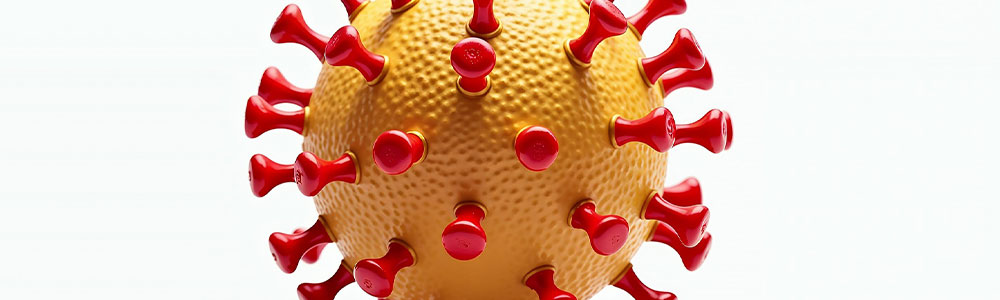
Pneumonia is an infection that inflames the air sacs in one or both lungs, leading to symptoms such as cough, fever, and difficulty breathing. It can be caused by various pathogens, including bacteria, viruses, and fungi. The bacterial forms are often classified into Community-Acquired Pneumonia (CAP) and Hospital-Acquired Pneumonia (HAP), with some of the most common bacterial culprits being Streptococcus pneumoniae, Mycoplasma pneumoniae, Klebsiella pneumoniae, and Pseudomonas aeruginosa.
Causes & How Pneumonia Develops
Pneumonia occurs when infectious agents reach the lungs and cause inflammation. The specific cause and method of transmission depend on the type of pneumonia:
- Community-Acquired Pneumonia (CAP): Typically caused by bacteria like Streptococcus pneumoniae and Mycoplasma pneumoniae, this type is often spread through airborne droplets when an infected person coughs or sneezes.
- Hospital-Acquired Pneumonia (HAP): This type develops in hospitalized patients, often due to bacteria resistant to standard treatments, such as Klebsiella pneumoniae and Pseudomonas aeruginosa.
Risk factors for pneumonia include age (infants and the elderly are more vulnerable), weakened immune systems, chronic illnesses, and smoking.
Common Symptoms of Pneumonia
The symptoms of pneumonia vary in severity and may include:
- Persistent cough, sometimes producing phlegm.
- Fever and chills.
- Shortness of breath or difficulty breathing.
- Chest pain, which may worsen when breathing deeply or coughing.
- Fatigue and general weakness.
- Bluish lips or fingertips in severe cases due to lack of oxygen.
How Pneumonia is Diagnosed
Pneumonia is diagnosed based on symptoms, physical examination, and imaging tests. Healthcare providers may use:
- Chest X-rays to detect lung inflammation.
- Blood tests to identify infections in the bloodstream.
- Sputum tests to analyze the bacteria present in mucus.
- Pulse oximetry to measure oxygen levels in the blood.
Pneumonia Treatments & Home Remedies
Treatment for pneumonia depends on the cause and severity of the infection. Some cases may require medical intervention, while mild cases can improve with supportive care. Common approaches include:
- Rest and hydration to support recovery.
- Oxygen therapy in cases of severe breathing difficulty.
- Medical treatments targeted at bacterial infections, when applicable.
Some home remedies that may help alleviate symptoms include:
- Drinking warm fluids to ease throat irritation.
- Using a humidifier to keep airways moist.
- Maintaining good hygiene to prevent further infections.
Possible Complications of Pneumonia
While many cases of pneumonia resolve with appropriate care, complications can arise, particularly in individuals with weakened immune systems. These may include:
- Respiratory failure, requiring oxygen support or mechanical ventilation.
- Sepsis, a life-threatening infection that spreads through the bloodstream.
- Pleural effusion, where fluid accumulates around the lungs.
- Lung abscess, where infected pus-filled pockets form in the lung tissue.
How to Prevent Pneumonia
Preventing pneumonia involves good hygiene practices and vaccinations. Some key preventive measures include:
- Getting vaccinated, especially against Streptococcus pneumoniae and Haemophilus influenzae.
- Frequent handwashing to reduce exposure to harmful bacteria.
- Avoiding smoking, as it weakens lung function.
- Maintaining a healthy lifestyle to support a strong immune system.
- Wearing masks in hospital settings to prevent HAP transmission.
Trivia About Pneumonia
- Pneumonia was once the leading cause of death worldwide, before the introduction of antibiotics and vaccines.
- Bacterial pneumonia can develop suddenly, while viral pneumonia often progresses more slowly.
- Hospital-acquired pneumonia tends to be more severe due to antibiotic-resistant bacteria.
- Walking pneumonia, caused by Mycoplasma pneumoniae, is a milder form that doesn’t always require medical intervention.
- The term ‘pneumonia’ comes from the Greek word ‘pneumon’, meaning lung.
Disclaimer
This article is for informational purposes only and does not provide medical advice, diagnosis, or treatment recommendations. It is intended to share general knowledge about pneumonia in an easy-to-understand way. If you have health concerns, consult a qualified medical professional for guidance.