
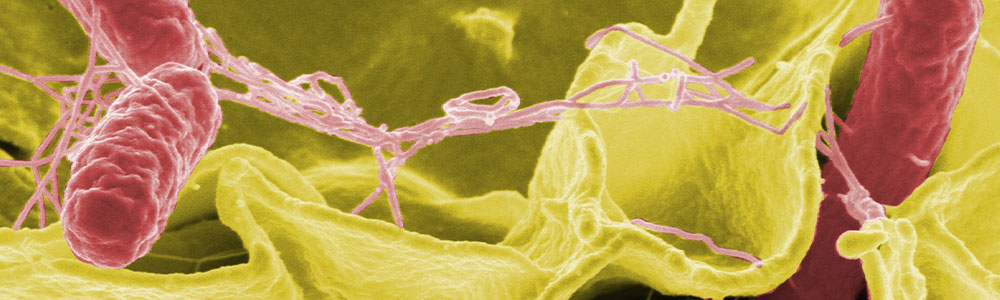
Salmonellosis is a bacterial infection caused by Salmonella enterica. It primarily affects the gastrointestinal system, leading to diarrhea, abdominal cramps, fever, and nausea. The infection is commonly contracted through contaminated food or water and is a leading cause of foodborne illness worldwide.
Causes & How Salmonellosis Develops
Salmonellosis is caused by ingesting food or water contaminated with Salmonella enterica. The bacteria invade the intestines, causing inflammation and symptoms of food poisoning.
Common risk factors include:
- Consuming raw or undercooked eggs, poultry, or meat.
- Eating unpasteurized dairy products or contaminated produce.
- Drinking untreated or unsafe water.
- Poor hand hygiene, especially after handling raw meat.
- Contact with infected animals or contaminated surfaces.
Common Symptoms of Salmonellosis
Symptoms of salmonellosis typically appear 6 to 72 hours after exposure and may include:
- Diarrhea, sometimes severe and watery.
- Abdominal cramps and pain.
- Fever and chills.
- Nausea and vomiting.
- Headache and muscle aches.
- Dehydration, especially in severe cases.
Symptoms generally last 4 to 7 days, but some cases may require medical attention, particularly in young children, the elderly, or immunocompromised individuals.
How Salmonellosis is Diagnosed
Salmonellosis is diagnosed through clinical symptoms and laboratory tests. Common diagnostic methods include:
- Stool culture, to confirm the presence of Salmonella enterica.
- Blood tests, in cases where the infection spreads beyond the intestines.
- PCR tests, which detect bacterial DNA for rapid diagnosis.
Salmonellosis Treatments & Management
Treatment for salmonellosis focuses on hydration and symptom management. Common approaches include:
- Drinking plenty of fluids to prevent dehydration.
- Resting to allow the body to recover.
- Medical treatments aimed at addressing bacterial infections when necessary.
Supportive care may also include:
- Oral rehydration solutions (ORS) for severe diarrhea.
- Probiotics, which may help restore gut balance.
- Safe food and water consumption to prevent reinfection.
Possible Complications of Salmonellosis
If untreated or severe, salmonellosis can lead to complications, including:
- Severe dehydration, requiring medical intervention.
- Bacteremia (bloodstream infection), leading to systemic illness.
- Reactive arthritis, a rare complication that causes joint pain.
- Irritable bowel syndrome (IBS) in some post-infection cases.
How to Prevent Salmonellosis
Preventing salmonellosis involves safe food handling, hygiene, and sanitation. Key preventive measures include:
- Cooking meat, poultry, and eggs thoroughly.
- Avoiding raw or undercooked seafood and unpasteurized dairy.
- Practicing strict handwashing, especially after handling raw foods.
- Keeping food preparation areas clean.
- Refrigerating perishable foods promptly to prevent bacterial growth.
Trivia About Salmonellosis
- Salmonella bacteria were named after scientist Daniel E. Salmon, who discovered them in the 19th century.
- Raw eggs are a common source of infection, which is why pasteurization is recommended.
- Reptiles, such as turtles and lizards, can carry Salmonella and spread infection.
- Salmonella infections cause millions of foodborne illnesses worldwide every year.
- Cooking food to proper temperatures effectively kills Salmonella bacteria.
Disclaimer
This article is for informational purposes only and does not provide medical advice, diagnosis, or treatment recommendations. It is intended to share general knowledge about salmonellosis in an easy-to-understand way. If you have health concerns, consult a qualified medical professional for guidance.